Thought & Practice
Featured
![You’re in My Blood Like [Dandelion] Wine](https://images.squarespace-cdn.com/content/v1/5345cc01e4b0ccfb8240196b/39d63672-82ee-4dd1-adc3-8708053f70ba/PXL_20241201_213916395_900px.jpg)
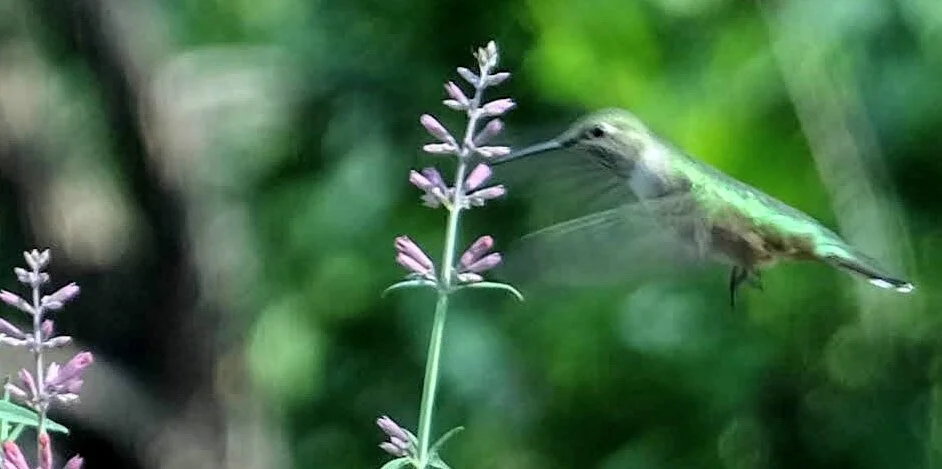
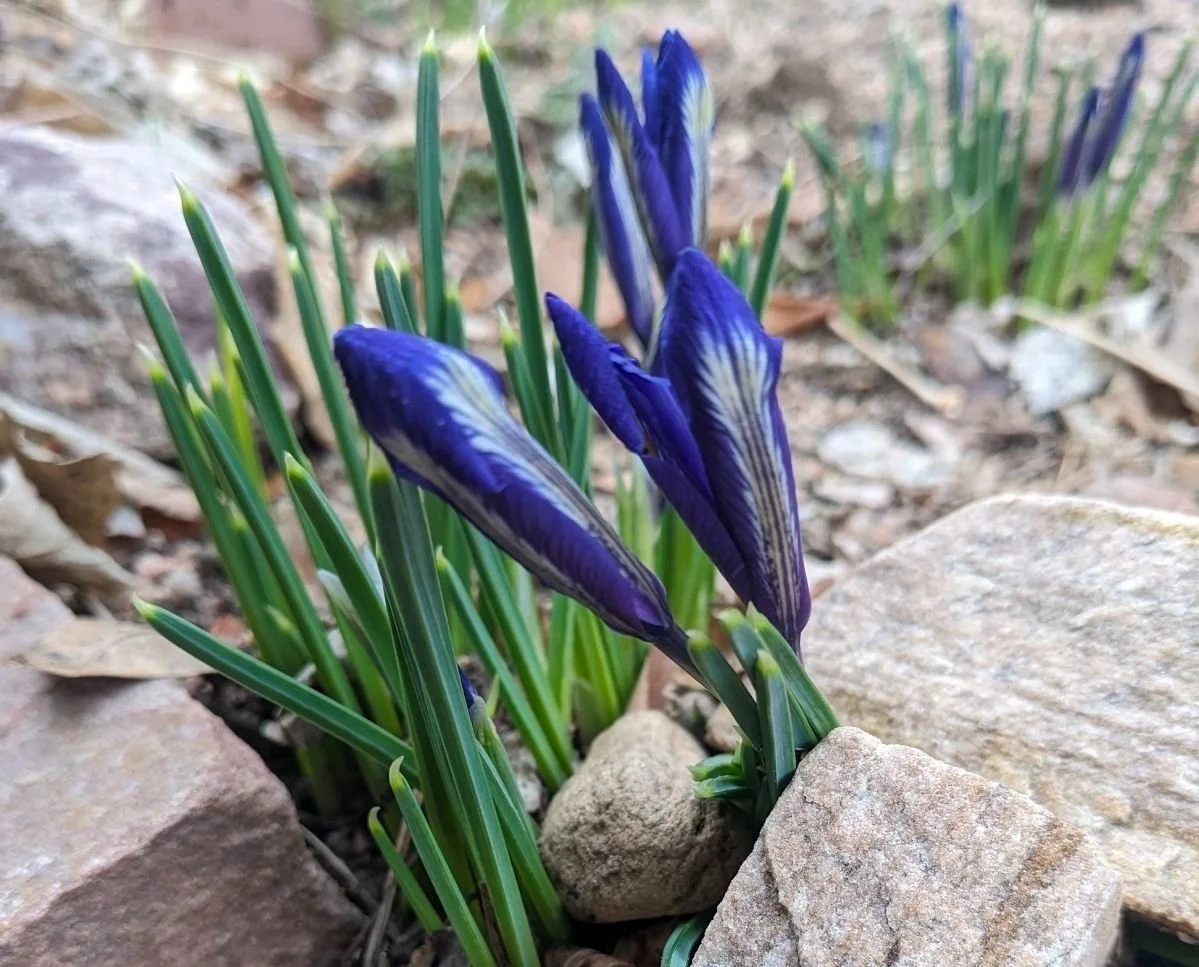
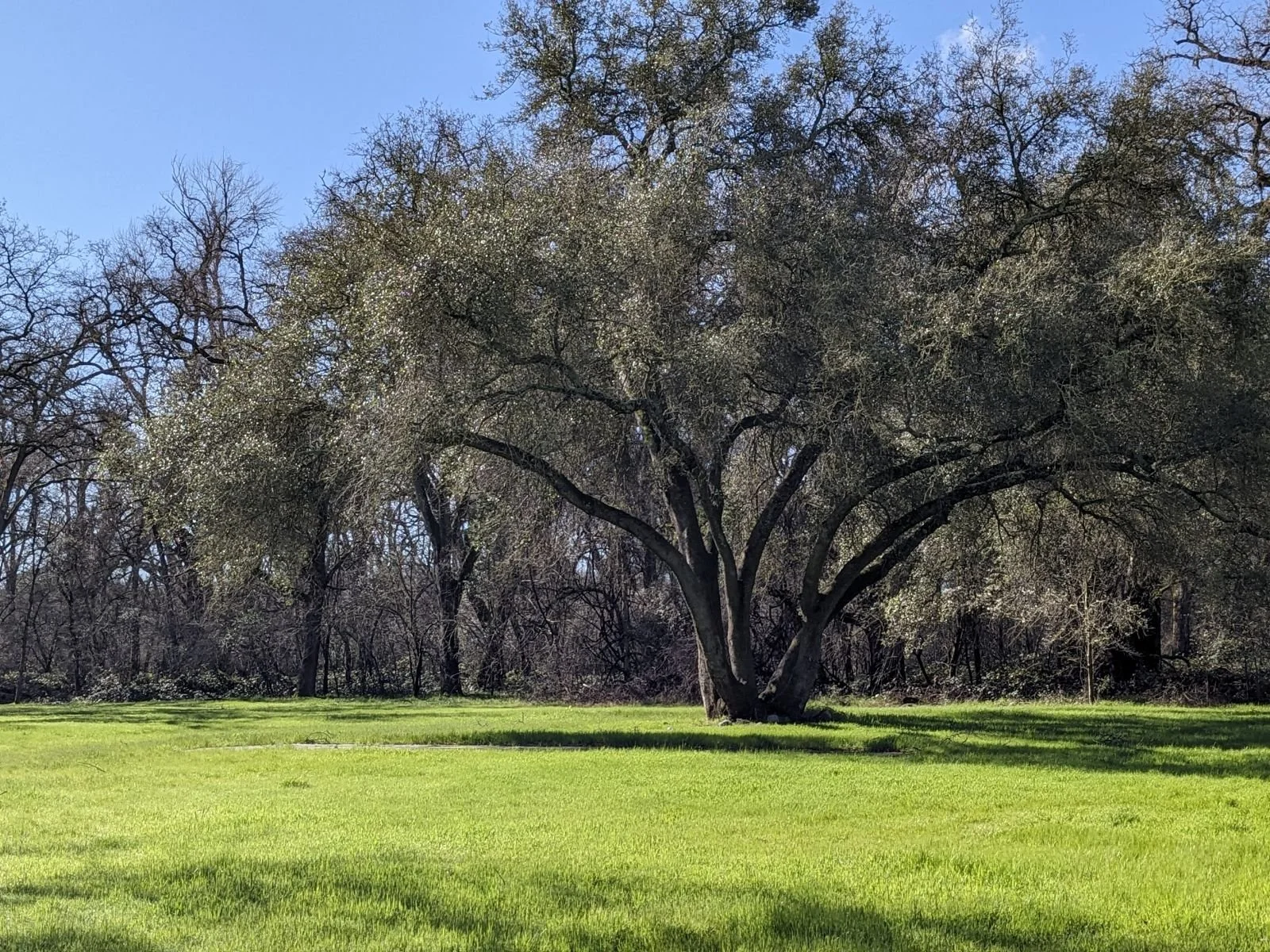
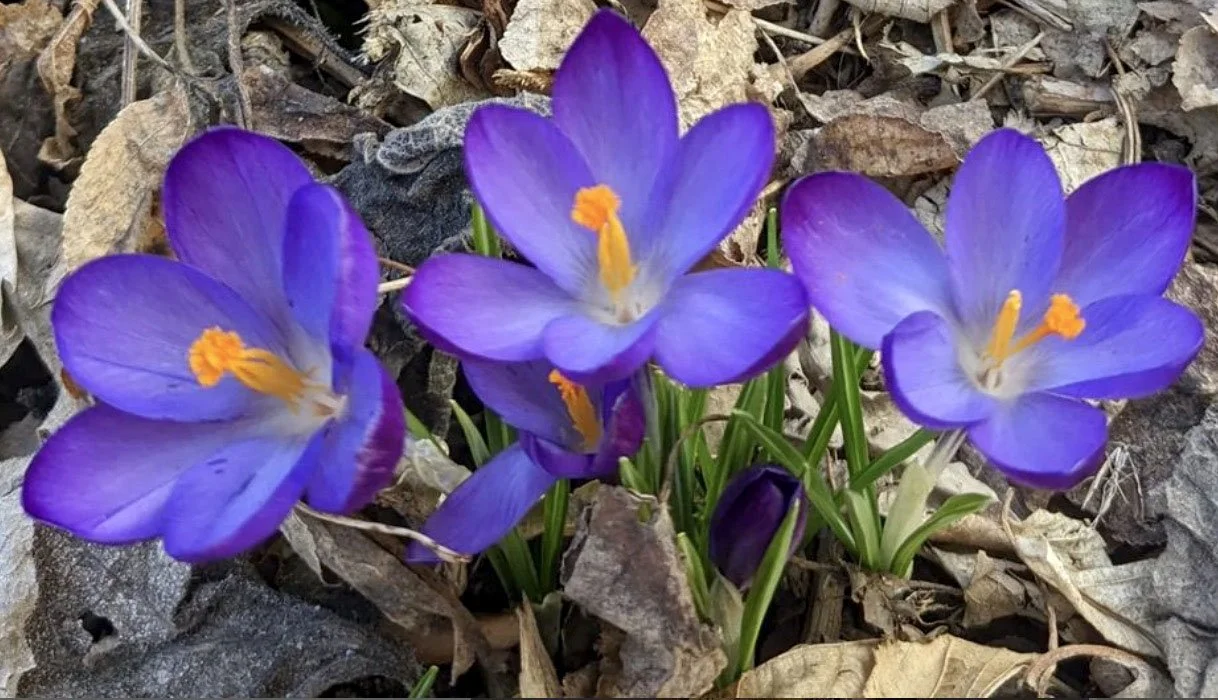



It turns out that the Romans marked time, not with numbers, but with named days: the Kalends (the first), the Nones (the fifth or seventh), and the Ides (the fifteenth).
I’ve realized that we also find intimacy with places. We notice details and create memories and stories in our backyards, favorite trails and city parks. We pay attention to how they change season by season and over time. This attention can also be understood as love.
Lately, I have been reflecting on the many ways we create a sense of place and groundedness. How do we decide on where we feel we belong?
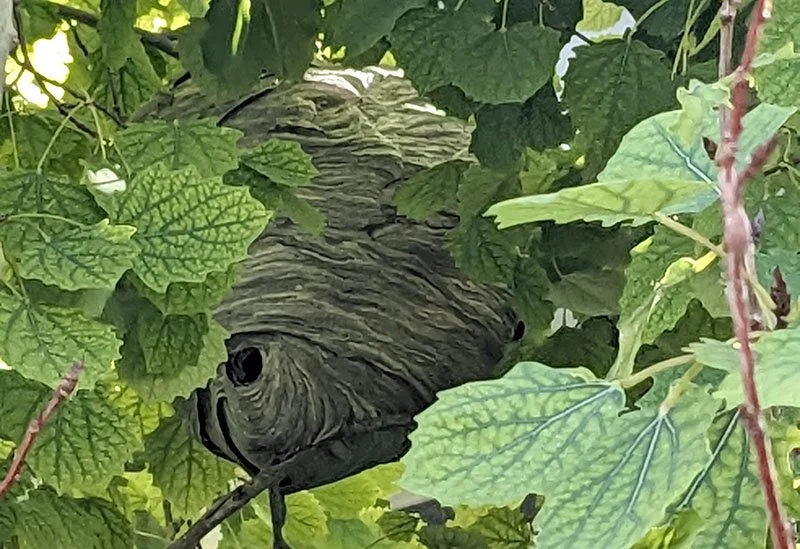
I have also noticed that wasps in my garden are more active and aggressive in the fall. They have built themselves the papery mansion pictured above. All kinds of insects become extra busy at this time of year as they prepare for winter dormancy.
As a native Californian, residential projects were always on my mind. My grandmother had been friends with Thomas Church, landscape architect and pioneer of the ‘California Style’. He designed my grandmother’s gardens, my parent’s garden, and many of their friend’s gardens. I am sure that spending time in these gardens shaped my point of view as a designer and inspired me to create my own practice.
This is the diabolical, tricksterish quality of nature. Luckily, these crops are frost resistant and the snow melted over the following week. But even if this snow had proved murderous to my crops, I would have noted the event and learned from it.
Life is like a river. We speak about cycles of life, the recurring seasons, the rotation of the earth, but life also flows directionally. Recently, I have been spending time in California, taking daily walks along the American River, which begins in Sierra snow melt, converges with the Sacramento River’s fanning delta and finally flows out to the San Francisco Bay and the mighty Pacific Ocean.
There’s a beauty to recognizing this vulnerability, because all this time inside allows me to dream of spring, waiting to burst forth. After all, part of nature’s power lies in her commitment to constant change. Once we have gotten used to living in a deep freeze, the world begins to thaw and expand into the budding, buzzing chaos of spring.
The garden contains perennial and annual food crops, trees, ground covers, flowers and ornamentals. Karla prioritizes native and climate-appropriate plants as well as pollinator host plants. She believes that one of the chief pleasures of cultivated landscapes is their harvest: fruits, vegetables and flowers.
March 2021 and I am days away from starting the vegetable garden, looking at the garden and dreaming about peas.
Want to see if your garden or estate is a fit for my process? Email me. karla@kdakindesign.com
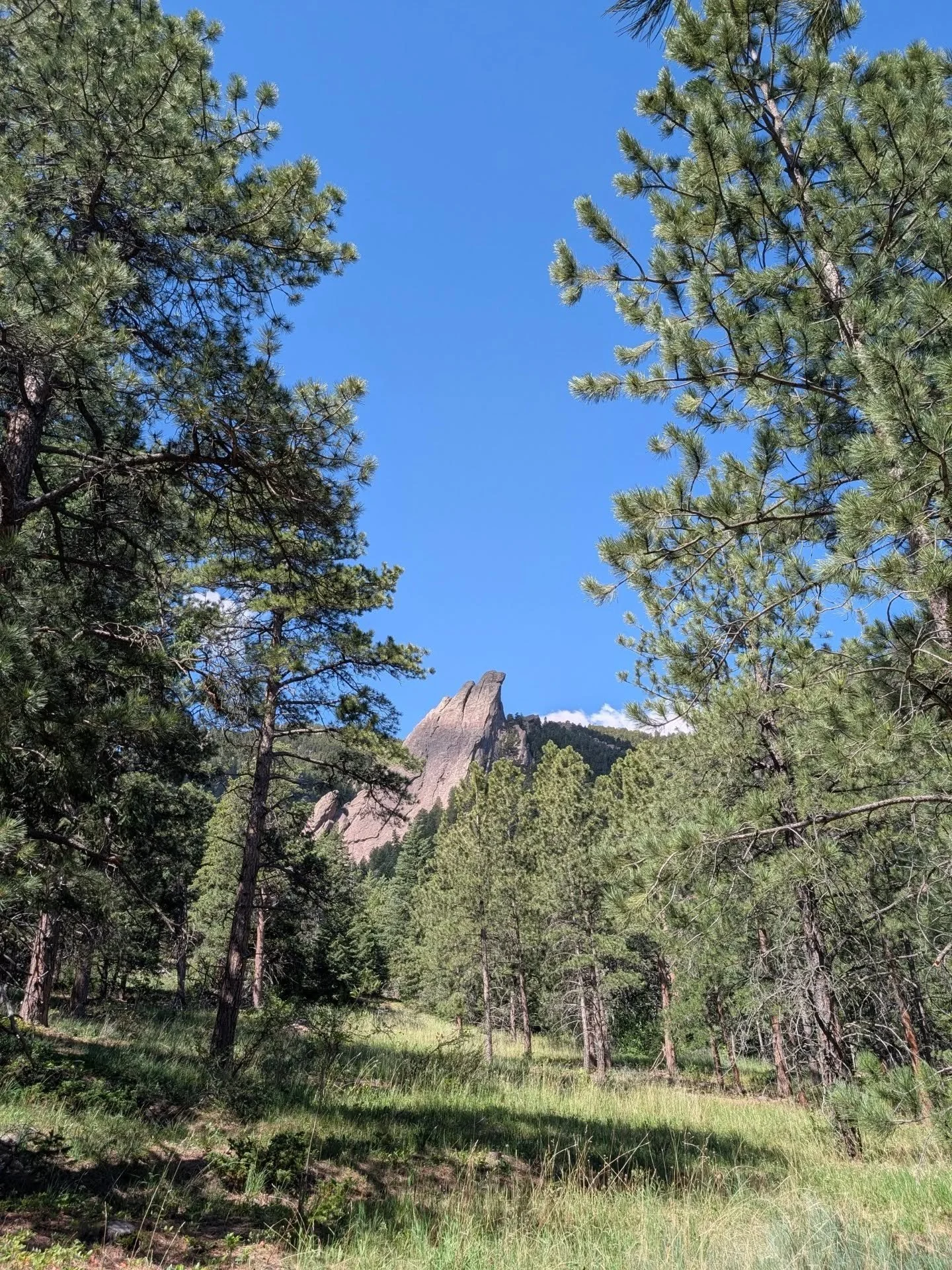
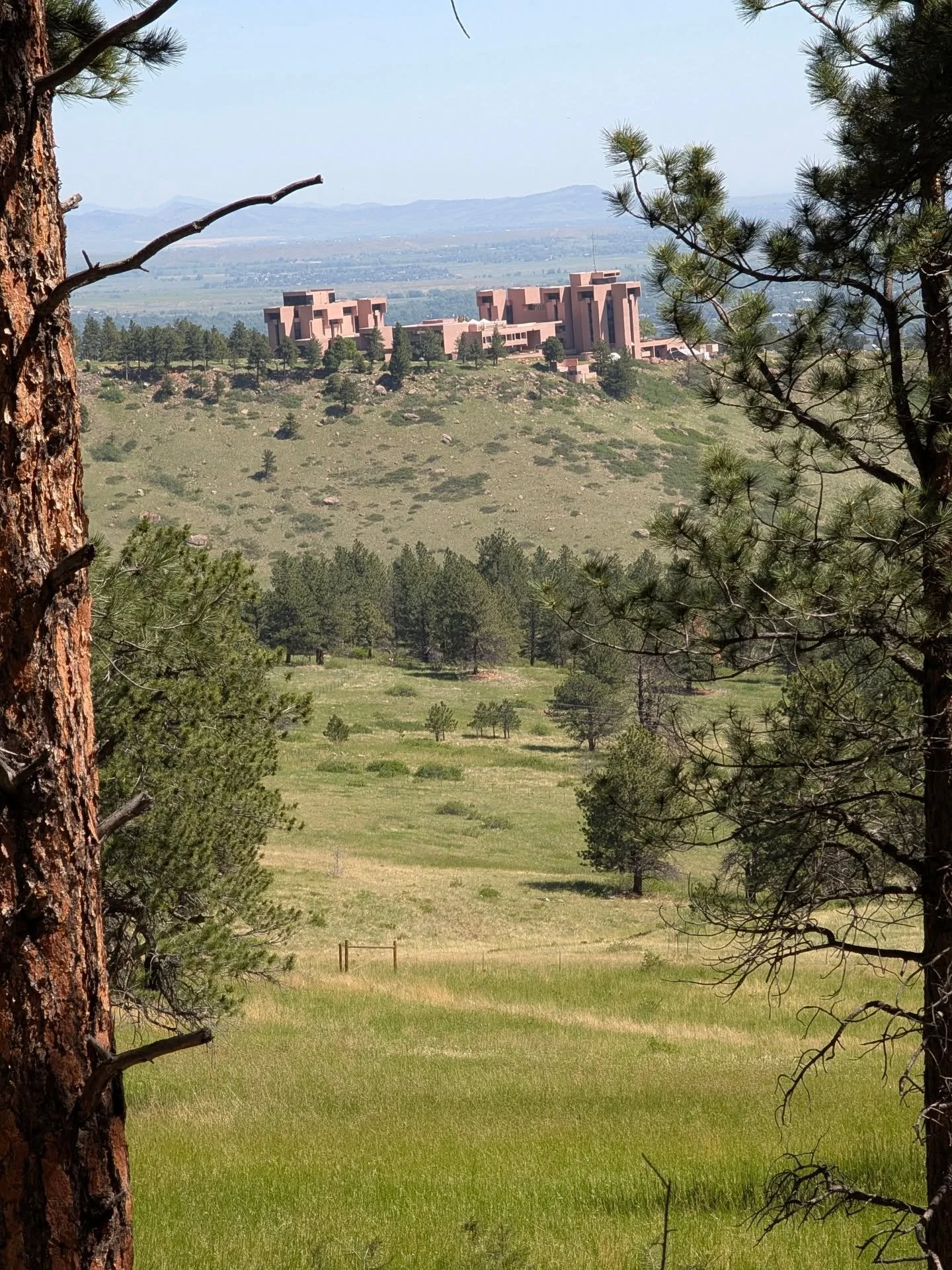
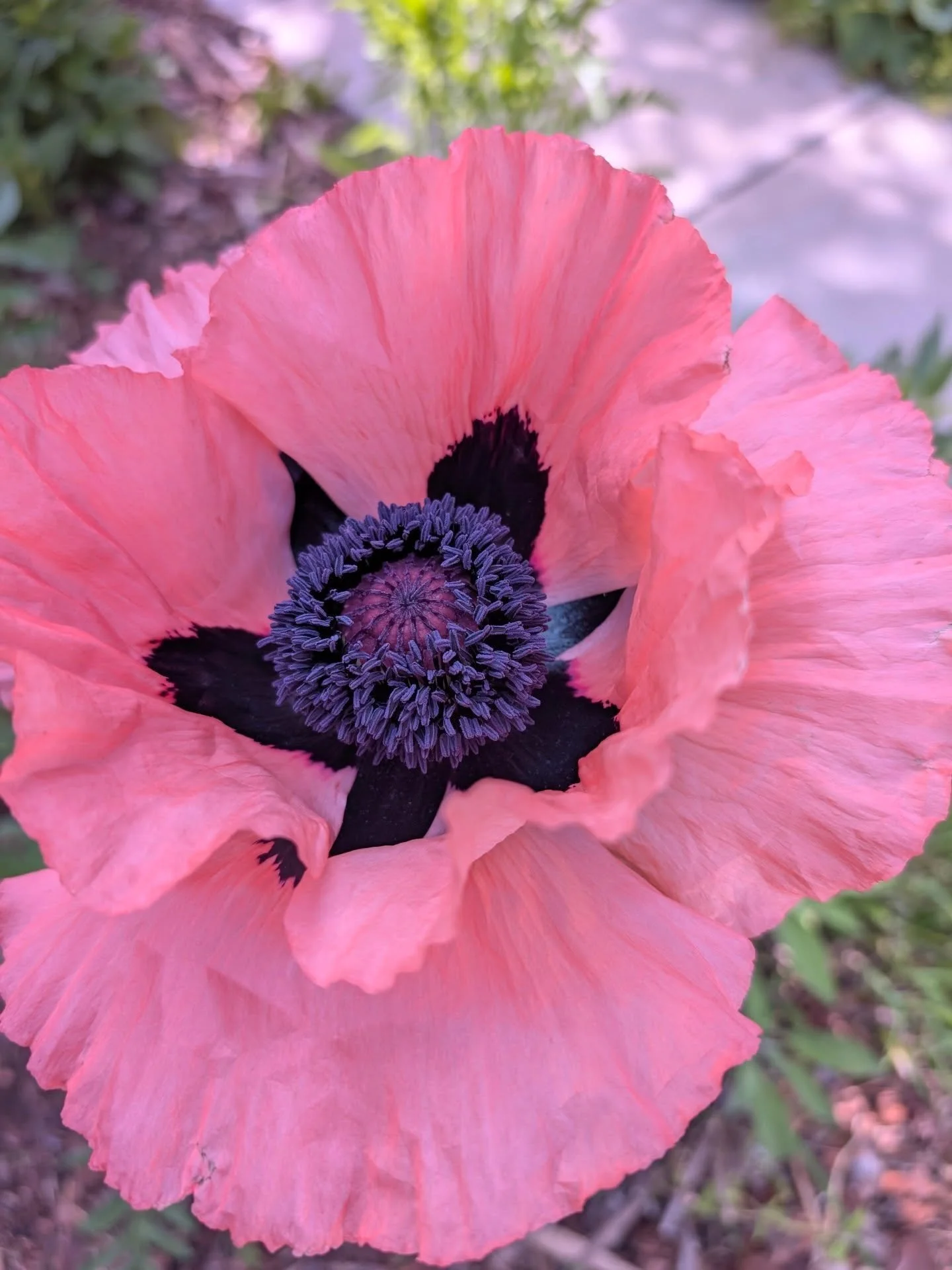
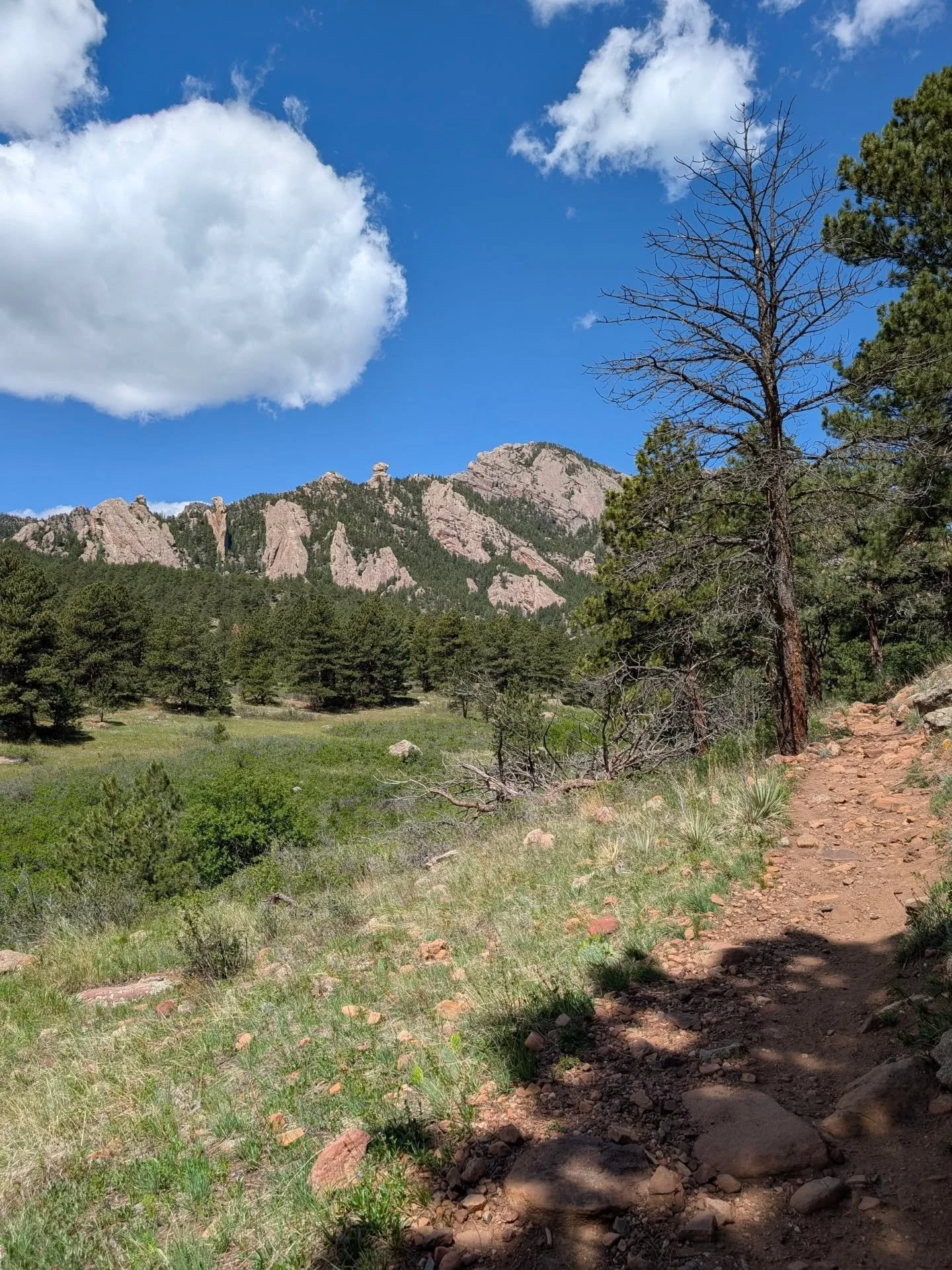
For years, I've wrestled with buzzwords like "sustainable" and "resilient" in landscape design. While these terms are well-intentioned, they often oversimplify the complex, ever-changing nature of our environment. The truth is that factors beyond our control — drought, fire, pests, disease — are constantly reshaping what's possible in our landscapes.