I keep thinking about what makes a truly enduring landscape.
For years, I've wrestled with buzzwords like "sustainable" and "resilient" in landscape design. While these terms are well-intentioned, they often oversimplify the complex, ever-changing nature of our environment. The truth is that factors beyond our control — drought, fire, pests, disease — are constantly reshaping what's possible in our landscapes.
In Colorado alone, we face evolving challenges: Emerald ash borer has decimated ash trees across the region; Japanese beetles devour a seemingly endless assortment of plants. On the policy side, new water restrictions limit turf grass to just 25% of landscaped areas in commercial projects while fire mitigation requirements suggest eliminating other plants.
What is "sustainable" in one context may be completely inappropriate in another. For example, while water conservation policies discourage lawns, some fire prevention experts recommend irrigated turf around homes in wildfire-prone areas. These contradictions remind us that one-size-fits-all approaches rarely work in the living world.
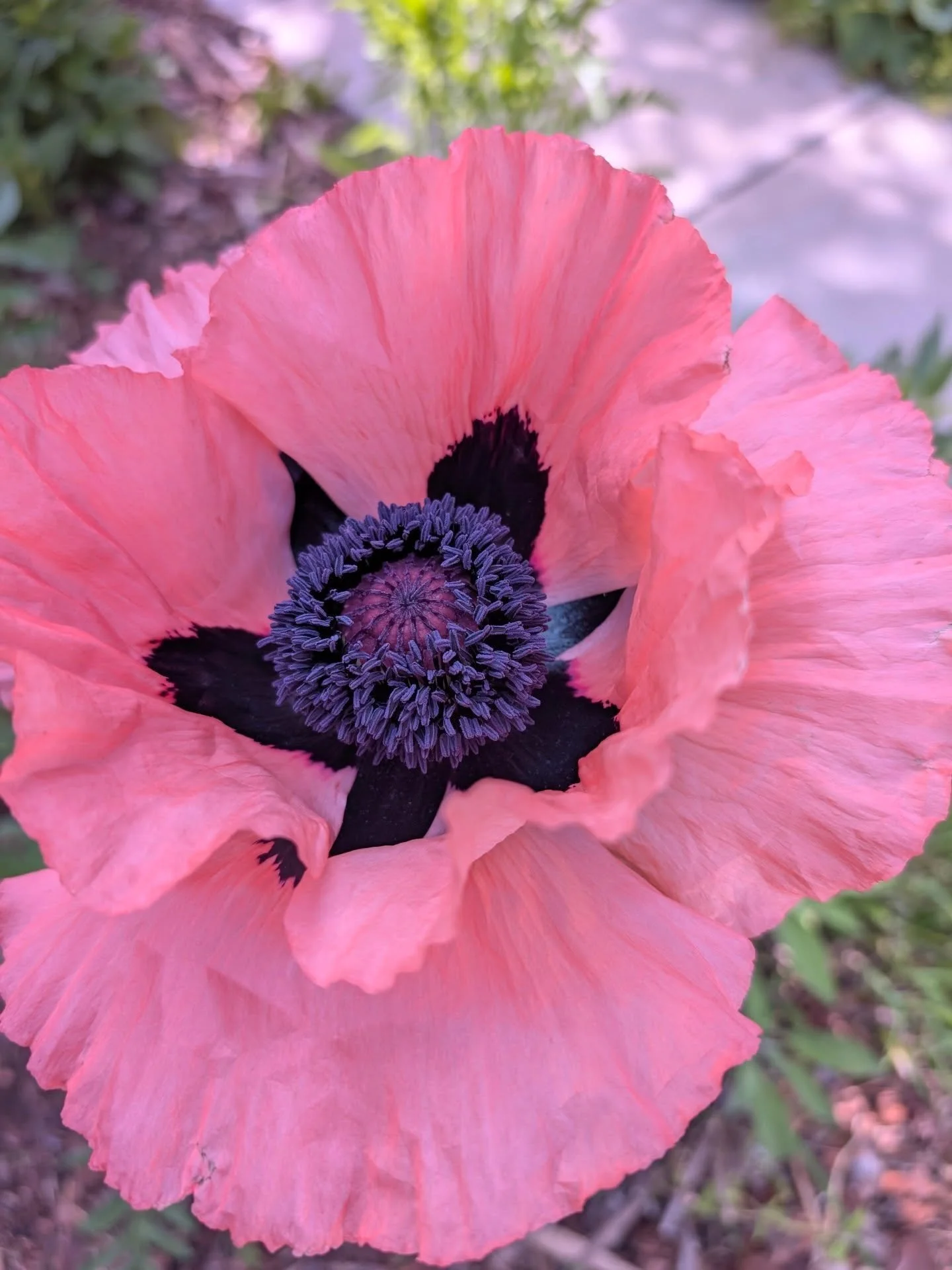
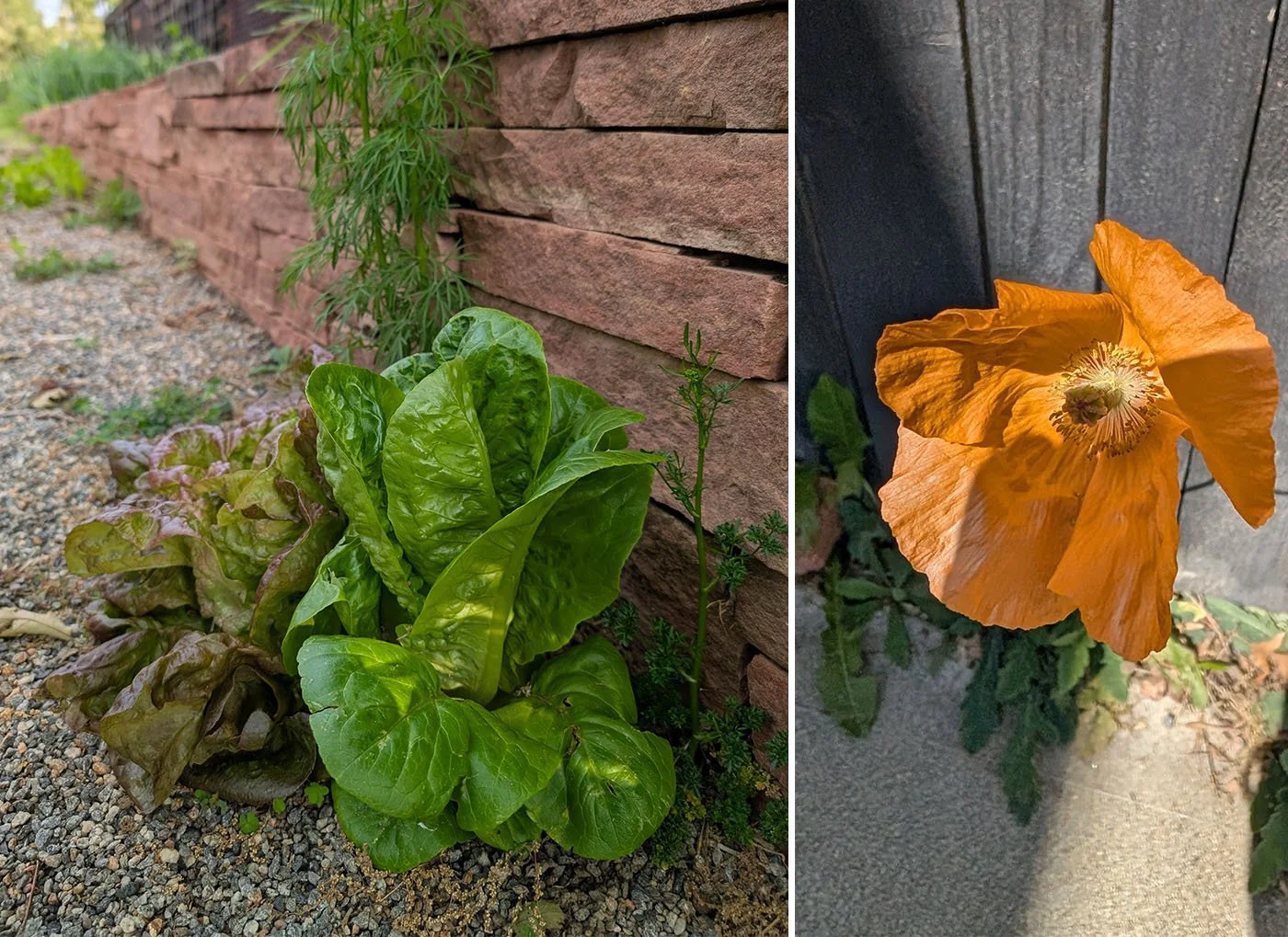
The most resilient plants in my own garden have taught me valuable lessons. In my gravel paths — with no irrigation or encouragement — self-seeded lettuce flourishes along with parsley, sprouting up and spreading everywhere; and Armenian poppies turn up in cracks and crevices far from their original spot.
I watch these plants with amused amazement and follow their lead. These unexpected successes remind me that true sustainability isn't about following rigid guidelines but about observing what naturally wants to live in each unique space. This season I planted squash and pumpkin seeds in the gravel path and in various perennial beds. We will see what comes up.
My skepticism of buzz words comes from years of observing what actually works—not what should work according to the latest terminology.
Living systems aren’t machines that allow us to change out one cog (one plant) and get the same result in any environment. We must observe and interact with landscapes, whether home gardens, farms or wildlands. When we learn from them, they teach us how to be in right relationship with our surroundings and how to cultivate a world where all beings can thrive for their time.