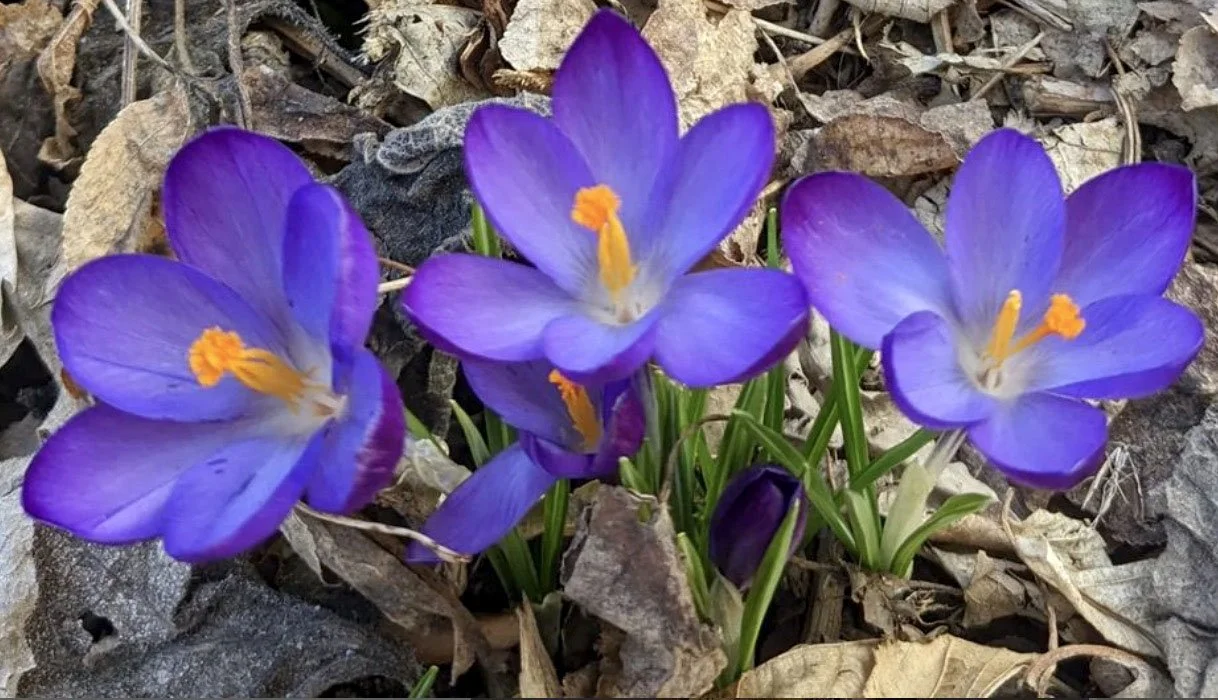
A bird feeder hangs just outside my bedroom window. This time of year I wake to birdsong, open my eyes and spend time looking at birds. Even when there is snow on the ground, there comes a time when bird song begins to crescendo. Whenever I notice this happening, I can feel that spring is taking hold.
When I travel to California, I keep my eyes on bird feeders at the homes of various family members. Different birds appear in Marin County vs. Sacramento.
Some believe that humans shouldn’t interfere with birds’ lives by offering them such easy sources of food, as if birds will somehow “go soft” and lose the ability to fend for themselves. I surrender to my desire to watch birds come to the feeder… I believe that it is part of our job as human animals to steward our immediate surroundings.
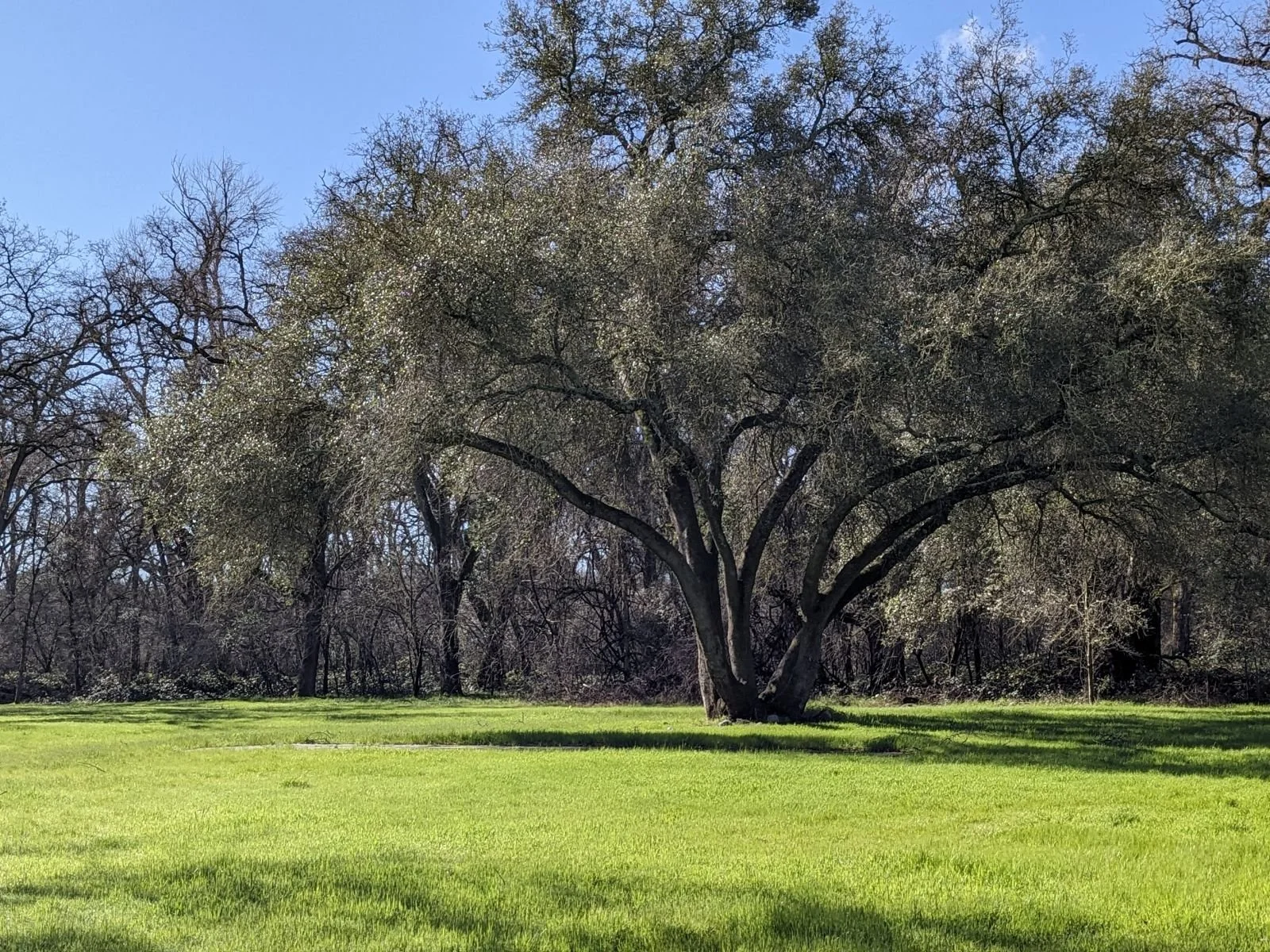
Time and again, we see evidence that human participation in cultivating and maintaining natural environments contributes to the biodiversity and resilience of the ecosystem. Scientists and indigenous researchers now agree that California’s famous oak woodlands were highly cultivated by native peoples before European contact. People on the north coast of California are now taking an active role in stewarding kelp forests to help them come back from decimation by purple urchin.
Ten years ago, people in the landscape trade, in the US, advised owners to trim down all their plants for the winter. We now know that it’s important to leave gardens with more plant material for insects, birds and other animals to forage. We are beginning to understand that gardens, city parks, school yards and medians have the potential to be habitat for pollinators, microorganisms, migratory birds, and even keystone mammals such as coyotes and mountain lions.
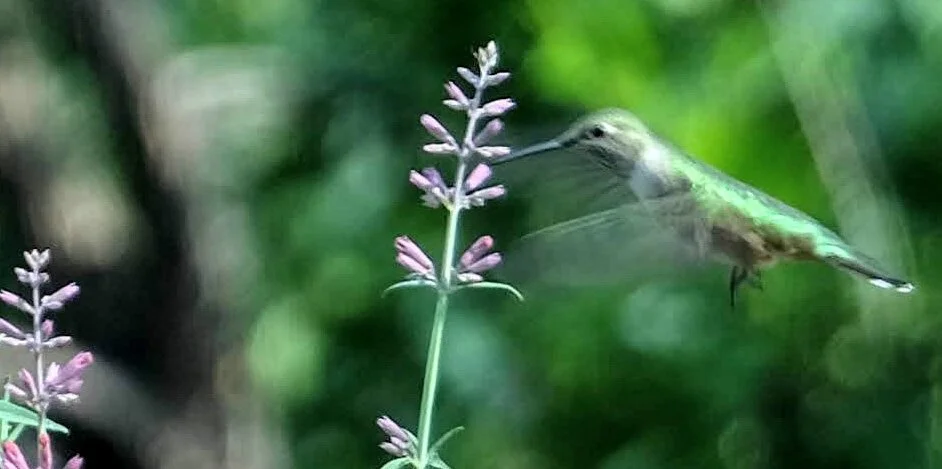
I encourage my clients to think about their gardens as refuges for themselves and the other species that we rely on for the health of our soil, pollination and natural pest-control. In addition to these practical benefits, it is delightful to see colorful butterflies, iridescent hummingbirds and hear the songs of birds, frogs and the buzz of bees in our gardens.
Year-round water features can also become beacons for life. They look and sound beautiful for us humans, and allow visiting birds to drink and bathe in the winter. Just remembering to leave forage for winter animals in your garden and adding a bird feeder to your outdoor environment can bring some extra joy in a long, wet spring.

![You’re in My Blood Like [Dandelion] Wine](https://images.squarespace-cdn.com/content/v1/5345cc01e4b0ccfb8240196b/39d63672-82ee-4dd1-adc3-8708053f70ba/PXL_20241201_213916395_900px.jpg)